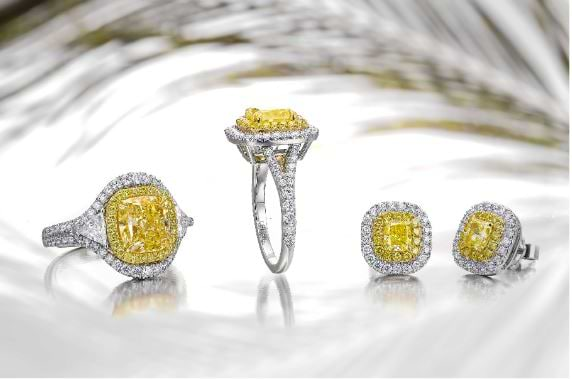
A human-made diamond looks just like one pulled from deep inside Earth. Identical in structure, sparkle, and makeup to mined stones. Their origin sets them apart though. While nature takes eons under pressure, labs build them faster using precise conditions. Some refer to these as lab-created or artificial versions. Real gems, these aren’t pretend. Whether set into wedding bands, worn daily, or gifted for special moments, man-made diamonds perform exactly like earth-mined ones.
Table of Contents
Man Made Diamonds Why They Are Chosen
Picking a lab created diamond tackles multiple concerns at once. Cost stands out right away. These stones often run 20 to 40 percent less than natural ones that match in size and clarity. That means a bigger gem for the same amount of money. Ethics play a role too. Since they’re made in labs, there’s zero digging into the earth. Because of this, there’s no chance of fueling unsafe working conditions or harming ecosystems through extraction. A person picks out a one-carat diamond for a proposal. That natural gem may run them six thousand dollars at checkout. Swap in a lab made version, identical in size and sharpness, price drops to three thousand eight hundred. Same sparkle, different origin, lighter hit to the wallet.
How humans create diamonds
Fabricating diamonds in laboratories comes down to two primary techniques.
- Starting deep underground, carbon gets squeezed by immense heat and pressure until it becomes a diamond. Not magic – just extreme conditions doing slow work over time.
- A gas made of carbon settles on a surface, building up one thin sheet at a time – this is how synthetic diamonds form through vapor-based chemistry. Control improves when adjusting growth conditions during deposition.
One way or another, each process ends with buy lab grown diamonds. From start to finish, labs shape these stones into various hues and dimensions.
Purchasing Lab Created Diamonds
Start by checking clarity, cut, color – just like earth-mined stones. A lab diamond needs careful review too, so look close. What matters most? How it sparkles under light, not where it came from. Judge each stone piece by piece, no shortcuts. Even man made diamonds gems differ one from another. Shine, symmetry, flaws – they show up here just the same. Skip assumptions. See for yourself what’s in front of you.
- A single facet, then another, shapes how light dances through a stone. Brightness shifts depending on the form it takes. Sparkle lives in the curve of each edge, not just the center. What catches your eye often begins where the cut guides the glow.
- Faults hiding inside can cloud a gem’s look – pick ones that stay clean. Clearer means fewer flaws trapped within, so go for sparkle without distractions.
- A single carat measures how heavy a diamond is. Bigger stones usually come with higher price tags because of their size.
- A clear diamond often fetches the highest price. Yet a hint of tint can appeal to those wanting something less common. Some like the difference it brings.
- A stamp from a known lab gives trust when picking stones. Choose gems checked by groups such as GIA or IGI. Proof matters just as much as sparkle under light.
Start by checking what others say about different stores. Some shops focus only on man-made gems, so they know their stuff. Look around online to spot differences in cost. Before any purchase, take a close look at real footage and images from sellers.
PRACTICAL USES OF MAN MADE DIAMONDS
Fake gems work in many ways.
- A larger stone might fit your price range when shopping for engagement rings. Sometimes spending less brings better value without sacrificing size.
- Fake sparkles on necklaces, earrings, or bracelets? You won’t tell they’re made in a lab. These shine just like the earth-mined kind. Same glitter, different origin story. Lab versions sit on skin without whispering their secret. Still catch light the old-fashioned way. Not dug up, yet hard to distinguish. Worn daily, mistaken often. Appearance stays identical, source is what shifts.
- Tools, cutting devices, and electronic parts sometimes include lab made diamonds due to extreme toughness. While not all industrial materials perform well under pressure, these stones handle stress without breaking. Because they resist heat and wear, factories choose them over softer options. Their structure allows precision work where metal might fail. Though natural gems serve similar roles, manufactured ones offer consistent quality. Machines shape them into fine edges that stay sharp longer than many alternatives. Even under heavy use, performance rarely drops off.
A single lab-created half-carat diamond on a chain runs you eight hundred dollars. Meanwhile, finding that same size in nature might take twelve hundred out of your pocket.
Long-Term Value
Most folks find lab grown stones easier on the wallet up front. Yet when it comes time to sell, prices often dip below mined ones. Think of these gems more like something you wear daily instead of stashing away for profit. Still, under a loupe, they sparkle just the same. Treat them right, avoid harsh knocks, keep them clean – decades pass without a problem.
Common Misconceptions
- Fake they may be called – yet their chemical makeup matches real diamonds exactly.
- Fragile they may seem, yet lab created stones match natural ones in strength. Toughness doesn’t depend on origin, instead it comes down to crystal structure.
- Few realize how tiny they start – yet labs now produce big stones for necklaces, earrings, even wedding bands.
FAQ
Are man made diamonds real?
True. These gems come straight from labs but match mined stones in every way. Hardness? Identical. The glimmer when light hits them? Just the same. Even their molecular structure follows nature exactly.
Do lab grown diamonds cost less?
True enough, lab made diamonds often cost 20 to 40 percent less when matched with natural ones of equal quality. Though found underground, their price tag rarely beats the cultured kind sitting in a tray under bright lights.
Most people cannot spot the gap between lab made stones and those dug from the ground.
Few people manage without proper equipment. Because only trained experts or official laboratories spot the difference.