

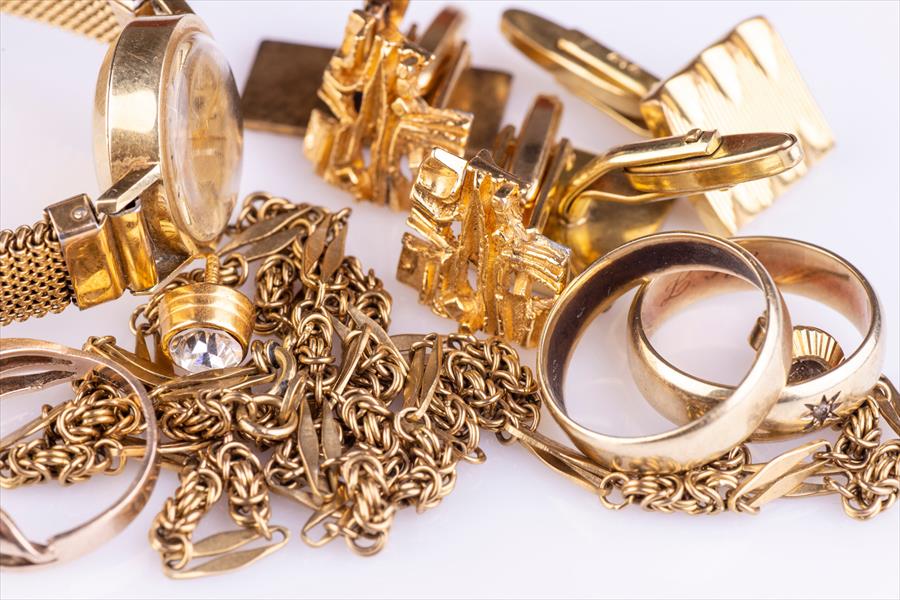
Feels a bit like magic, doesn’t it? Well, it’s not magic—it’s a mix of math, market demand, and a little bit of psychology. And if you’re thinking about whether to sell gold in Melbourne, knowing how pawn shops determine value can save you from walking out with less than you deserve.
Table of Contents
When Value Meets Story
Think about it. That chunky gold bracelet you inherited from your uncle? To you, it’s priceless. It holds memories. But to a pawn shop, it’s mostly about weight, purity, and resale potential. Not the story. Not the sentiment.
That’s the part that stings.
Pawn shops look at items through a very different lens. They’re not collectors. They’re business people. They need to make sure that if you don’t buy your item back, they can resell it and still make a profit.
To be fair, it makes sense. They’re taking on risk. They’re covering overheads. But here’s the catch—you’ve got to know their game if you don’t want to feel ripped off. And once you see the system, it all starts to click.
So, How Do They Actually Decide?
Here’s where it gets interesting. Pawn shops use a mix of factors when setting value:
- Gold Purity – Is it 24k, 18k, or 9k? The purer the gold, the higher the base price. But don’t be surprised if they test it right in front of you with acid or a machine.
- Weight – They’ll put your jewellery on a scale. No romance here. Just grams and decimals.
- Market Prices – Gold prices change daily. Pawn shops keep an eye on the market, but here’s the kicker: they usually won’t pay you full market value. Why? Because they need margin to resell.
- Condition & Design – A broken chain might just get valued as scrap gold. But a trendy design or a luxury brand watch? That can bump things up.
- Demand in Their Shop – Let’s say you’re trying to sell gold Melbourne during a time when half the city’s doing the same. Oversupply means you might get less. Timing, my friend, is everything.
And sometimes, they’ll even throw in a “gut feel.” If something looks like it’ll sit in the shop window forever, they’ll go low.
What People Don’t Realize
Here’s a truth bomb: pawn shops aren’t always the best place to get top dollar.
Why? Because they’re middlemen. Their business model is buying low and selling higher. And that’s not a bad thing—it’s just how it works. But if you’re expecting to walk out with full market value for your gold… you’re in for a letdown.
That’s why a lot of locals in Melbourne are getting smarter. Instead of running straight to a pawn shop, they shop around. Some go to gold buyers. Others sell to jewellers who specialise in reselling. The trick is comparing, not settling.
The Melbourne Angle
Now, let’s zoom in a little. Melbourne isn’t just another city when it comes to gold. This place has a history with it. Remember the Victorian gold rush? People literally flooded here chasing fortune. That legacy still lingers.
Because of that, Melbourne has a surprisingly competitive market for gold buying. You’ll see “We Buy Gold” signs almost on every second street in some suburbs. It’s noisy. But it’s also an opportunity—more competition means better prices if you know how to haggle.
And let’s be honest, Melburnians love a bargain. We’re not shy about negotiating. Which means if you’re smart, you can often nudge the price a little higher than the first offer. Try doing that in a tiny rural town where there’s only one pawn shop in 100km—you won’t have the same leverage.
Step by Step: What Actually Happens
Okay, let’s break it down. Imagine walking into a pawn shop with a gold ring:
- The Look-Over – The pawnbroker checks it out quickly. Brand, hallmark, obvious damage.
- The Test – They’ll test the purity. Sometimes with a loupe, sometimes with acid, sometimes with a fancy electronic tester.
- The Weigh-In – Onto the scale it goes. Every gram counts.
- The Math – They’ll check the current gold price per gram, then multiply. Then comes the “cut”—their margin. This is where numbers shrink fast.
- The Offer – They’ll tell you the price. Expect it to be lower than you hoped. That’s normal.
- The Decision – You can accept, walk away, or negotiate. Honestly, most people don’t negotiate—but you should. Even saying, “Hmm, I was hoping for a bit more” can bump you up a few bucks.
It’s not rocket science. But it does help to understand the flow so you don’t feel blindsided.
A Few Tips (From Someone Who’s Learned the Hard Way)
- Always check the daily gold price before you walk in. Just Google it.
- Weigh your gold at home if you can. Kitchen scales won’t be perfect, but you’ll have a ballpark.
- Don’t show desperation. If you look like you need the cash today, offers magically go lower.
- Get a second opinion. Seriously, walk into two or three shops. The difference can be huge.
And here’s one more: sometimes it’s better to sell directly to a gold buyer rather than pawn. Especially if you don’t plan on reclaiming your item. Pawn shops are designed for short-term loans. If you’re selling outright, specialised buyers often pay more.
Wrapping It Up
At the end of the day, pawn shops aren’t villains. They’re businesses. But if you don’t know how pawn shops determine value, it’s easy to walk away with less than your jewellery is worth.Melbourne, with its history and competitive gold market, gives you options. Use them. Compare. Negotiate. Don’t settle for the first number on the table.Because when you sell gold in Melbourne, it’s not just about getting quick cash. It’s about making sure you’re walking away with a deal that actually feels fair.And honestly? That little bit of knowledge makes all the difference.


