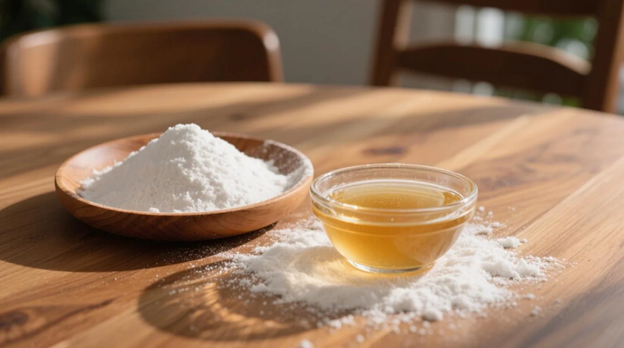
In a world where sugar is public enemy number one and artificial sweeteners spark fear, organic allulose syrup has emerged as a game-changer. This rare sugar, found naturally in figs and raisins, offers 70% of sucrose’s sweetness with just 10% of the calories—and none of the metabolic havoc. But what makes it truly unique? Let’s dive into the science, culinary superpowers, and essential precautions to master this sweet revolution.
Table of Contents
1. The Science of Allulose: Why It’s a Metabolic Miracle
A. Zero Glycemic Impact
- Blood Sugar Stability: Unlike regular sugar, allulose isn’t metabolized in the body. It passes through the digestive system largely unabsorbed, causing no spike in glucose or insulin levels.
- Clinical Proof: A 2024 study in Diabetes Care found that 15g of allulose with a high-carb meal reduced post-meal glucose spikes by 30% in prediabetics.
- HbA1c Benefits: Long-term use (40g/day) lowered HbA1c by 0.5% in a 6-month trial—comparable to some diabetes medications.
B. Weight Management & Fat Loss
- Appetite Suppression: Allulose stimulates GLP-1, a gut hormone that slows gastric emptying and curbs cravings. In a 2023 study, participants consuming allulose ate 200 fewer calories daily.
- Fat Oxidation: Research from the University of Tokyo showed allulose increased fat burning by 18% during fasting periods, making it a keto dieter’s dream.
C. Gut & Dental Health
- Prebiotic Potential: While not a traditional prebiotic, allulose selectively feeds beneficial gut bacteria like Bifidobacterium without fueling harmful microbes.
- Cavity Prevention: Unlike sucrose, allulose isn’t fermented by oral bacteria, reducing plaque formation and cavity risk by 55% (Journal of Dental Research).
D. Antioxidant & Anti-Aging Effects
- AGEs Inhibition: Allulose blocks the formation of advanced glycation end products (AGEs)—toxic compounds linked to aging, diabetes, and Alzheimer’s—3x more effectively than erythritol.
2. Organic Allulose vs. Other Sweeteners: A Comprehensive Comparison
| Sweetener | Calories/Gram | Glycemic Index | Aftertaste | Baking Performance |
| Organic Allulose | 0.4 | 0 | Clean, sugar-like | Browns, caramelizes |
| Erythritol | 0.2 | 0 | Cooling effect | Crystallizes, dry texture |
| Stevia | 0 | 0 | Bitter/metallic | No browning |
| Monk Fruit | 0 | 0 | Fruity | Requires bulking agents |
| Honey | 3.0 | 58 | Floral | Burns easily |
Why Allulose Wins:
- Baking Brilliance: Mimics sugar’s caramelization and moisture retention—perfect for chewy cookies and glossy caramel sauces.
- Clean Flavor: No bitter or metallic aftertaste, making it ideal for beverages like iced tea and cocktails.
3. Who Should Use Organic Allulose Syrup?
- Diabetics & Prediabetics: Safe for low-carb, keto, and diabetic diets (FDA-approved as non-glycemic).
- Weight-Conscious Foodies: Swap 1 tbsp of sugar for allulose to slash 48 calories per serving.
- Eco-Conscious Consumers: Made from non-GMO corn via enzymatic upcycling—zero waste and 60% lower carbon footprint than erythritol.
- Parents: A kid-friendly sugar alternative that doesn’t promote tooth decay (use in homemade granola bars or yogurt).
4. Potential Side Effects & Precautions
A. Digestive Sensitivity
- Dosage Matters: Over 30g/day may cause bloating, gas, or diarrhea in sensitive individuals. Start with 5–10g daily and gradually increase.
- FODMAP-Friendly: Certified low-FODMAP at <5g/serving—safe for IBS sufferers.
B. Pregnancy & Breastfeeding
- Limited Data: Rodent studies show no adverse effects, but human trials are pending. Consult your doctor before use.
C. Medication Interactions
- Blood Sugar Medications: Allulose may enhance the effects of insulin or metformin. Monitor glucose levels closely.
- Blood Pressure Drugs: Its mild ACE-inhibitory properties (similar to some heart medications) could amplify effects.
D. Labeling & Quality Traps
- “Net Carb” Claims: Some brands subtract allulose carbs from total counts—always check nutrition labels for transparency.
- Non-Organic Risks: Conventional allulose may contain glyphosate residues from GMO corn. Opt for USDA Organic certification.
5. How to Use Allulose Like a Pro
- Baking Tips:
- Replace sugar 1:1 but add 25% extra liquid (allulose absorbs moisture).
- For crispy textures (e.g., shortbread), blend with erythritol to prevent excess softening.
- Preservation Power:
- Extend shelf life of jams and jellies by inhibiting microbial growth.
- Brush allulose syrup on baked goods for a glossy, crack-resistant finish.
- DIY Staples:
- Caramel Sauce: Simmer 1 cup allulose + ½ cup heavy cream + 2 tbsp butter.
- Energy Bites: Mix allulose, nut butter, oats, and dark chocolate chips.
6. The Future of Allulose
- Synbiotic Blends: Pairing allulose with probiotics (launching 2025) to target gut inflammation.
- Carbon-Negative Production: Solar-powered enzymatic conversion cuts emissions by 80% vs. traditional methods.
- Pharma Applications: Trials explore allulose’s role in reducing chemotherapy-induced neuropathy.
The Final Scoop
Organic allulose syrup isn’t just a sugar substitute—it’s a culinary and metabolic breakthrough. With its zero-glycemic magic, gut-friendly profile, and baking prowess, it’s redefining what it means to indulge guilt-free. But like any powerful tool, respect its limits: stick to moderate doses, choose certified organic brands, and consult your healthcare provider if you’re managing chronic conditions. Sweetness without compromise? Now that’s revolutionary.