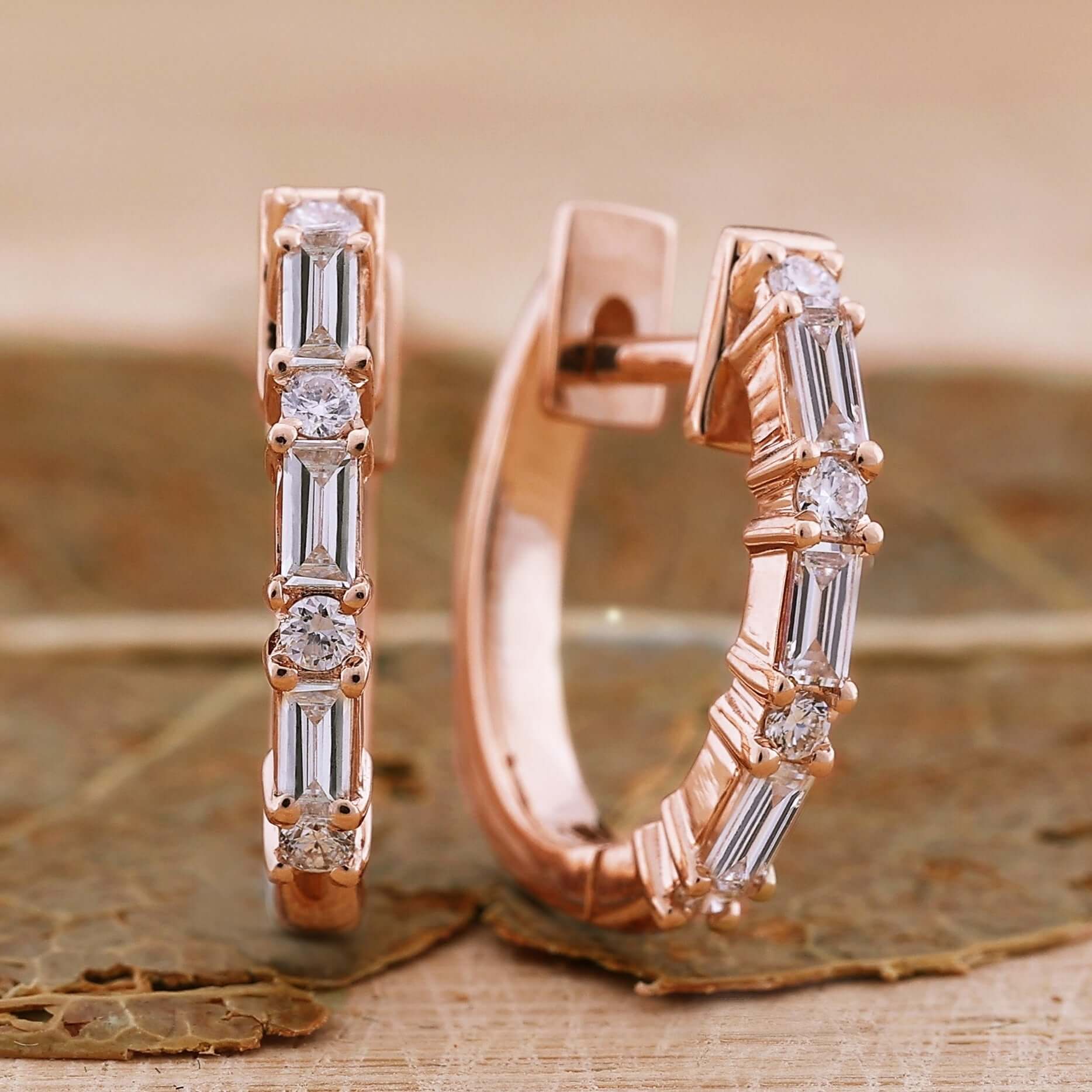
An engagement ring can carry a story long before the proposal happens. It might reflect a shared memory, a favorite design, or a detail that only two people understand. That’s why many couples prefer a ring designed specifically for their relationship rather than choosing something from a display case.
With custom made engagement rings, buyers can choose the diamond, metal, setting, and smaller details that give the finished piece its character. The process also allows room for practical decisions about comfort, durability, and cost.
Table of Contents
Why Couples Choose a Personal Design
Ready-made rings offer convenience, but they don’t always match someone’s taste. A person might love the diamond in one ring and prefer the band on another. Custom jewelry brings those preferences together.
Some couples incorporate family diamonds into new settings. Others request subtle details, such as an engraved date or a band shaped to fit an existing piece of jewelry.
Personalization doesn’t have to mean an elaborate design. A simple solitaire with carefully chosen proportions can feel just as distinctive as a ring with intricate detailing.
Choosing a Diamond That Fits the Design
The center stone usually influences the appearance and price of an engagement ring. Round brilliant diamonds remain popular for their sparkle, while oval and pear shapes create a more elongated look.
Emerald-cut diamonds have broad, rectangular facets that emphasize clarity and clean lines. Cushion cuts offer softer corners and a more traditional appearance.
Buyers should consider the four Cs: cut, color, clarity, and carat weight. These characteristics affect a diamond’s appearance and value, although their importance varies by shape.
Natural and Laboratory-Grown Stones
Natural diamonds form underground over geological periods. Lab created diamonds have essentially the same chemical composition and crystal structure, but they grow in controlled environments.
Laboratory-grown stones generally cost less than comparable natural diamonds. This can leave more room in the budget for a larger center stone or a detailed setting.
For either option, request an independent grading report and review the stone’s measurements before purchasing.
Finding the Right Setting and Metal
The setting determines how the diamond sits on the finger and how securely it stays in place.
Prong settings expose more of the stone, allowing light to enter from different angles. Bezel settings surround the diamond’s edge with metal, offering additional protection for everyday wear.
A low-profile setting may suit someone who frequently works with their hands. Taller settings can create a more prominent appearance but may catch on clothing.
Metal choice also matters. Platinum is durable and naturally white, while 14-karat gold offers a balance of strength and affordability. Yellow and rose gold provide warmer tones.
From Initial Sketch to Finished Ring
Creating custom made engagement rings usually begins with a conversation about style, budget, and preferred materials. Jewelers may ask for reference photographs or examples of rings the customer likes.
Once the basic concept is clear, the designer prepares sketches or a computer-aided design model. These previews help customers examine proportions, stone placement, and band thickness.
Some jewelers also produce wax or resin models before manufacturing. This gives buyers a better sense of the ring’s physical dimensions.
After approval, the jeweler makes the setting, mounts the stones, and finishes the metal. The completed ring should undergo a quality inspection before delivery.
Budgeting Beyond the Center Stone
A custom ring’s price depends on more than diamond size. Metal weight, design complexity, accent stones, and specialized craftsmanship can all affect the final quote.
For example, a plain gold solitaire generally requires less labor than a detailed halo setting with numerous small diamonds.
Ask for an itemized estimate before approving production. Confirm whether design revisions, resizing, engraving, and shipping are included.
Production timelines also deserve attention. Depending on the jeweler and design, a custom piece may take several weeks to complete. Ordering early provides time for adjustments.
Details Worth Checking Before Ordering
Ring size deserves careful attention, particularly for wider bands that may fit differently from narrow ones. A professional measurement can reduce the chance of needing alterations.
Buyers should also review the jeweler’s policies on design changes, warranties, maintenance, and returns. Personalized jewelry often has stricter return conditions than standard inventory.
Ask how the jeweler handles future repairs and whether the setting can be resized safely.
A Ring Designed for Everyday Life
The most successful engagement ring isn’t necessarily the largest or most expensive. It should suit the wearer’s style and feel comfortable during ordinary activities.
For couples considering lab created diamonds, the additional budget flexibility may make a personalized setting more accessible. Still, stone quality and craftsmanship deserve close attention.
A thoughtful design balances appearance, durability, and meaningful details. Those choices help create a ring that remains enjoyable to wear long after the proposal.