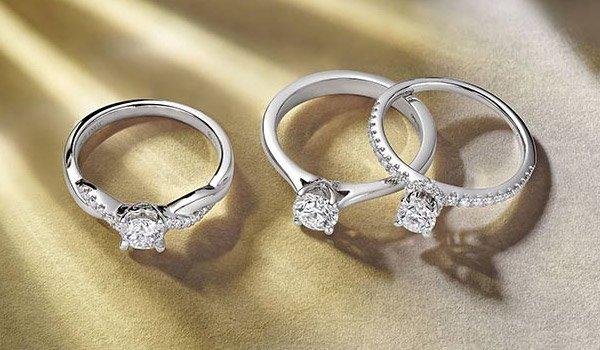
Beautiful stones grown in labs now shape how folks pick fancy jewelry. These gems match natural ones in look and structure, yet open doors to better choices – bigger sizes, finer details, lower costs. What matters most? Owning something stunning without spending extra. Many just aim to get that glow, nothing more. Starting with what makes lab diamonds different might clear up confusion before picking earrings. One thing after another – cut, clarity, color – affects sparkle and appearance on your ears. Settings matter just as much since they shape the overall vibe of the piece. Each element plays a role in whether the jewelry feels right once it’s on.
Table of Contents
Lab Diamonds Explained?
Diamonds grown in labs turn out identical to those dug from the earth. Through high-tech methods scientists mimic the intense heat and pressure deep underground. What comes out has the exact atomic arrangement plus strength of natural stones. Most experts cannot tell them apart without testing tools nearby. While fakes like CZ just look similar these are actual carbon crystals formed differently. Sparkle warmth clarity – they match because they are chemically one and the same.
More Buyers Pick Lab Diamonds
Most folks keep an eye on what they’re getting for their money. When it comes to size or clarity, lab-created stones usually beat natural ones without costing more. That gap gives room to pick what stands out – color, cut, maybe sparkle under sunlight. Some go for these because mining gems harms land and water. Others care about tracing where things come from. A few just like knowing how soon they can get one
- Greater value for the same budget
- Access to larger diamond sizes
- Wide variety of cuts and settings
- Consistent quality standards
- Availability of certified diamonds
A person spending a set amount might grab two half-carat earrings rather than one single stone. Instead of going small they could balance size and count. One full carat split across both ears opens options. Money stays flat yet value shifts sideways. Choice spreads where limits once pinched.
Understanding Diamond Quality
Knowing what shapes value makes buying diamond pieces clearer. A closer look at traits behind brilliance matters first.
Cut
A diamond’s brightness depends on its cut quality. Because it directs light effectively, a properly shaped stone seems to glow. Light behavior stands out most in round brilliants by design. Shapes like oval, cushion, princess, or emerald offer variety beyond the classic circle.
Color
A stone’s tint gets measured along a spectrum. Whiter look tends to come with higher scores. Most shoppers feel the almost-white levels strike a solid mix of how it looks and what it costs.
Clarity
Most of the time you need a lens to spot what’s inside a diamond. Features both within and outside affect how clear it looks. Picking one that seems flawless when seen normally often makes sense. A loupe might reveal more than your eyes ever do.
Carat Weight
A single carat measures how heavy a diamond is. When size goes up, eyes tend to notice – yet how it sparkles ties closely to how well it was cut. The way it sits in its mount matters just as much.
Selecting Suitable Earrings
A choice of look ties back to your daily routine. What fits one day might not suit another. Style shifts when habits change. Pick pieces that move with your life.
Stud Earrings
Tiny gems still top the list for many. Simple in design yet flexible enough to dress up or down. Round ones set in pairs often match whatever you’re wearing. These little sparklers fit just about anywhere.
Halo Earrings
Pictures of light glow around the main diamond thanks to tiny surrounding gems. Because of these little stones, the middle one seems bigger while catching more shine.
Drop Earrings
Hanging just under the lobe, drop earrings sway with motion. Special moments tend to call for their elegant touch.
Hoop Earrings
Hoops made of diamond mix timeless looks with practical daily use. When small, they slip under the radar; larger ones catch eyes without trying.
Choosing the Right Size
A stone’s size ought to match how you dress, what you do each day. Yet tiny gems usually slide right into office life without fuss. Bigger ones tend to shout louder at parties or big moments though. Your haircut matters just as much as the way your face looks. Take daily earring wearers they likely want something light on the ears. Effortless is key when it stays put from morning till night.
Metal Options Matter
A shiny frame changes how it looks, also affects how long it lasts. Common picks are these
- White gold for a bright modern look
- Yellow gold for a warm traditional appearance
- Rose gold for a softer tone
- Platinum for durability and strength
How a diamond looks shifts with the metal beneath it. Though white tones boost sparkle, richer hues set off deeper differences.
What to Check Before Buying
Start by noticing how light bounces off each piece. Pick one that feels right in your hand, heavy enough but not too much. Look close at the setting – tiny prongs should hold tight without hiding the stone. Move around under lights to see sparkles from different angles. A good ring catches attention without shouting. Choose something you’d wear even if nobody saw it.
- Review the diamond certification
- Look closely at how clean the cut is
- Compare multiple stone options
- Inspect return and warranty policies
- Verify the metal type and setting quality
A certification report gives details on a diamond’s features through an outside evaluation. Its grading comes from a third party, separate from the seller. This written record describes what the stone looks like under close review. Someone not involved in the sale checks clarity, color, cut, and weight. The document helps confirm what the buyer is actually getting.
Balancing Budget and Appearance
Most people think top scores everywhere are essential. Yet tiny tweaks might save plenty – still looking just as good. Take color, for example – a step down could mean a bigger stone that sparkles just right. What matters most? Getting the look you like without stretching too far.
Caring for Diamond Earrings
Regular maintenance helps preserve sparkle and appearance. Simple care practices include:
- Clean earrings with mild soap and warm water
- Pieces kept apart won’t rub. Space between them stops scuffs. One here, another there means less contact. Separation helps avoid marks. Each item on its own keeps surfaces safe
- Check settings periodically
- Remove jewelry during activities that may cause impact
Most of the time, wiping things down takes away greasy spots plus leftover gunk slowing shine.
Making a Confident Purchase
Most folks overlook how much cut influences sparkle when picking lab grown diamond earrings. Though high ratings in every area seem appealing, personal taste should guide choices more than report card scores. What stands out? Brightness and fire from a skillfully shaped stone, even if it skips top-tier labels. Instead of stacking specs, weigh how color blends with metal and whether flaws hide in plain sight. Some people spot better deals by flipping through certified reports side by side. Style satisfaction usually wins when proportions feel right and price leaves room for breathing. Start with what catches your eye – maybe it is shape, maybe shine. Lab diamonds today open doors once stuck shut. Classic studs? Long, swaying drops? Or hoops that ride the edge of now? Pick one that matches not just your outfit but how it moves with you. Comfort matters. So does lasting power. Your everyday rhythm decides what stays on and what gets left behind.
Frequently Asked Questions
Are lab diamonds real diamonds?
True enough – lab diamonds match mined ones right down to the atoms, their inner pattern, even how they feel under light. They are built just like earth-grown stones, only made above ground through careful science instead of deep-earth pressure.
Sparkle wise, lab stones match earth-dug ones just fine.
True. How much they shine comes down to how well they’re cut, not where they come from.
Are lab grown diamond earrings suitable for everyday wear?
Fine condition matters most – diamonds handle everyday wear without issue if looked after carefully.