Table of Contents
Lab Grown Diamonds: What You Need to Know Before You Buy
Diamonds have long been associated with moissanita vs diamante fine jewelry and personal milestones. Today you have more choices than ever before. One option that continues to gain attention is lab grown diamonds. These diamonds offer the same appearance and many of the same physical properties as mined diamonds. The main difference is where they come from. Instead of forming underground over billions of years they are created in controlled laboratory environments. If you are considering a diamond purchase understanding how these stones are made and how they compare to traditional options can help you make a better decision.
What Are Lab Grown Diamonds?
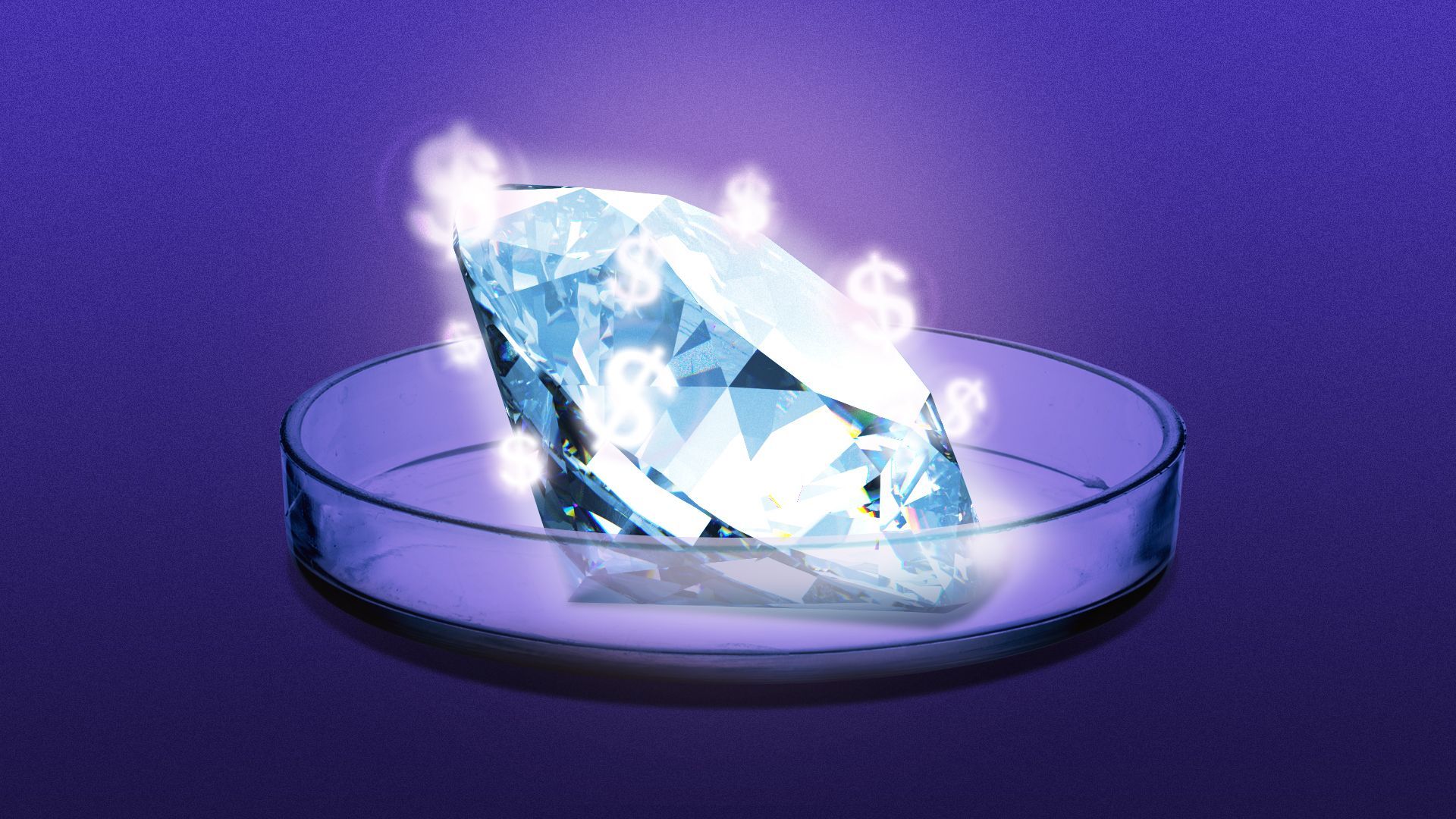
Lab grown diamonds are real diamonds created through advanced technology that replicates the natural conditions under which diamonds form. Scientists use specialized equipment to produce diamonds from carbon. The result is a stone with the same crystal structure found in natural diamonds. To the naked eye there is no visible difference between a laboratory-created diamond and a mined diamond. Both can be cut polished and graded according to the same standards. Many buyers are surprised to learn that jewelers often need specialized equipment to distinguish between the two.
How They Are Made
There are two primary methods used to create diamonds in laboratories.
- High Pressure High Temperature (HPHT)
- Chemical Vapor Deposition (CVD)
The HPHT process recreates the intense pressure and heat found deep within the earth. The CVD process uses carbon-rich gases inside a controlled chamber. Carbon atoms gradually attach to a diamond seed and form a larger crystal. Both methods produce genuine diamonds that can be used in jewelry.
How They Compare to Natural Diamonds
When comparing laboratory-created diamonds with mined diamonds the similarities are extensive. They share:
- The same hardness rating
- The same crystal structure
- The same optical properties
- The same ability to be graded by recognized standards
For daily wear there is no practical difference in durability. Both score 10 on the Mohs hardness scale which makes them suitable for engagement rings and other jewelry worn regularly. Example: A one-carat laboratory-created diamond ring and a one-carat mined diamond ring can appear identical when viewed side by side.
Understanding Diamond Quality
Quality is usually measured using the four Cs.
Cut
Cut affects how well a diamond reflects light. A well-cut stone often appears brighter and more attractive than a larger poorly cut stone.
Color
Diamonds are graded on a color scale. Stones with less visible color generally receive higher grades.
Clarity
Clarity measures internal characteristics and surface features. Fewer visible imperfections usually result in a higher grade.
Carat Weight
Carat refers to weight rather than physical size. A higher carat weight often increases cost but cut quality also plays an important role in appearance. Before buying ask to see a grading report from a recognized gemological laboratory.
Cost Advantages
One reason many people choose lab grown diamonds is pricing. Because production takes place in a controlled environment manufacturing costs can be lower than the costs associated with mining distribution and extraction. This often allows buyers to select a larger stone or a higher quality grade within the same budget. For example: If your budget allows for a smaller mined diamond you may be able to purchase a larger laboratory-created diamond with similar quality characteristics. This difference can be especially important when shopping for engagement rings where appearance and budget both matter.
Environmental Considerations
Many buyers also look at environmental impact before making a purchase. Diamond mining requires land use energy transportation and infrastructure. Laboratory production also uses energy but avoids many mining-related activities. Environmental impact can vary depending on the energy sources used by individual producers. If sustainability is important to you ask retailers about sourcing practices production methods and available certifications. Specific details are often more useful than broad claims.
Resale and Long-Term Value
Resale value is an area that deserves careful consideration. Traditional diamonds have established secondary markets that have existed for decades. Laboratory-created diamonds are newer and market conditions continue to evolve. If your primary goal is personal enjoyment appearance and affordability resale value may not be a major concern. If future resale potential is important to you it is worth researching current market trends before making a purchase. Your priorities should guide the decision rather than assumptions about future pricing.
Choosing the Right Diamond for Your Needs
The best choice depends on what matters most to you. Consider the following questions:
- What is your total budget?
- Do you want the largest possible stone for the money?
- Is the origin of the diamond important to you?
- How important is future resale potential?
- Which quality characteristics matter most?
Answering these questions can narrow your options quickly. Some buyers prioritize size and visual impact. Others focus on rarity or long-term ownership considerations. Neither approach is right or wrong. The goal is finding a diamond that matches your priorities.
Tips for Buying With Confidence
Before making a purchase take a structured approach.
- Request an independent grading report
- Compare several stones before deciding
- Review cut quality carefully
- Confirm return and exchange policies
- Ask detailed questions about sourcing
A little extra research can prevent costly mistakes and help you feel more confident about your choice.
Common Questions
Are lab grown diamonds real diamonds?
Yes. They have the same crystal structure and physical properties as mined diamonds. The difference is their origin.
Do laboratory-created diamonds last as long as mined diamonds?
Yes. They have the same hardness and durability which makes them suitable for everyday wear.
Can jewelers tell the difference between the two?
In most cases specialized testing equipment is required to identify whether a diamond was grown in a laboratory or formed naturally underground.